Hemp vs hemp viscose: two fabrics, one name, only one earns it. Hemp is having a moment.
Hemp is having a moment. After years of being the scratchy material your hippie uncle wore, it’s suddenly the darling of sustainable fashion. For once the hype is earned. But there’s a catch nobody puts on the label. The word “hemp” hides two completely different fabrics, but only one of them deserves the reputation. The other just borrows it.
We make our Hamppy’s from the first one. Here’s why that choice matters and what actually happens to a hemp plant on its way to becoming the underwear you put on in the morning.
Hemp vs hemp viscose: the simple version
Real hemp fibre is almost boringly low-tech, which is exactly the point. After the plant is harvested, it gets retted, left to soak in water until the fibres loosen on their own, then separated out mechanically. No drama. Very little energy, almost no chemicals, nothing that puts the people doing the work at risk. The plant grew using little water and no pesticides. It leaves the soil better than it found it. The fabric that comes out the other end holds onto all of that.
It also lasts. hemp fibre is famously strong, so it shrugs off daily wear and keeps its shape through wash after wash. That means you stay comfortable for years instead of replacing a worn-out drawer of underwear every season. The whole appeal is that it stays loyal to what makes hemp hemp: clean to grow, clean to make, built to go the distance.
The complicated version
Hemp viscose starts from the same plant and then takes a very different road. It begins as a plant. Then it becomes a chemistry experiment. Then it’s a thick, syrupy sludge dissolved in a cocktail of harsh chemicals. Then, somehow, it’s a soft fabric on a hanger with a little leaf printed on the tag. Somewhere in there the “natural” part quietly excused itself and left.
It isn’t a gentle recipe. Making viscose leans on substances like sodium hydroxide and carbon disulphide. It also burns a lot of energy to drive the chemistry. Handled carelessly, those chemicals pollute water and air, damage ecosystems and expose the people in the factory to genuinely toxic stuff. So a fabric that started as a low-impact plant ends up with a footprint that looks a lot like the synthetics it was supposed to replace. This is the part where the label says “plant-based” and hopes you stop reading. Technically true. The plant was there at the start. It just went through a lot before it reached you.
And after all that, it doesn’t even hold up. Viscose feels soft and a little luxurious, which is its one honest selling point. But the chemical processing weakens the fibres, so the finished fabric gives out sooner than real hemp would. You replace it more often, which quietly undoes the reliability that made hemp worth choosing in the first place. Soft today, landfill sooner.
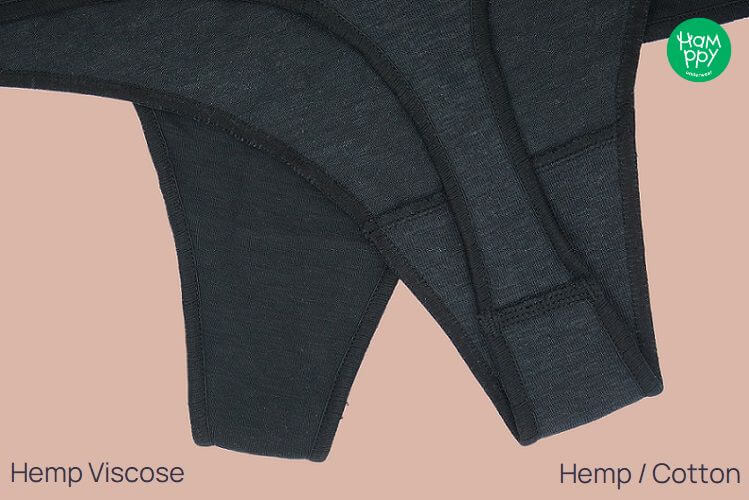
Hemp fibre with cotton
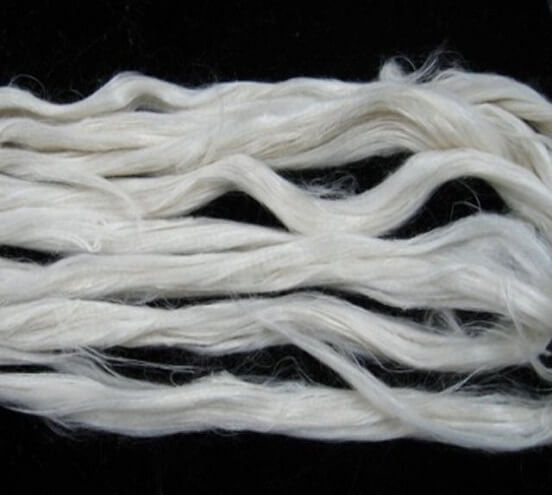
Hemp viscose

Laid side by side, the choice isn’t close. Real hemp fibre is tougher, cleaner to produce and safer for everyone whose hands it passes through. Viscose takes hemp’s good name and spends it on a process that throws most of the benefit away.
So when you pull on a Hamppy, you’re wearing the version that kept its promise. The one that feels good on your skin, respects the planet it grew on and protects the people who made it. It costs a little more effort to do it this way. We think underwear that lasts for years, made by people who weren’t put at risk to make it, is worth the trouble. No leaf sticker required.